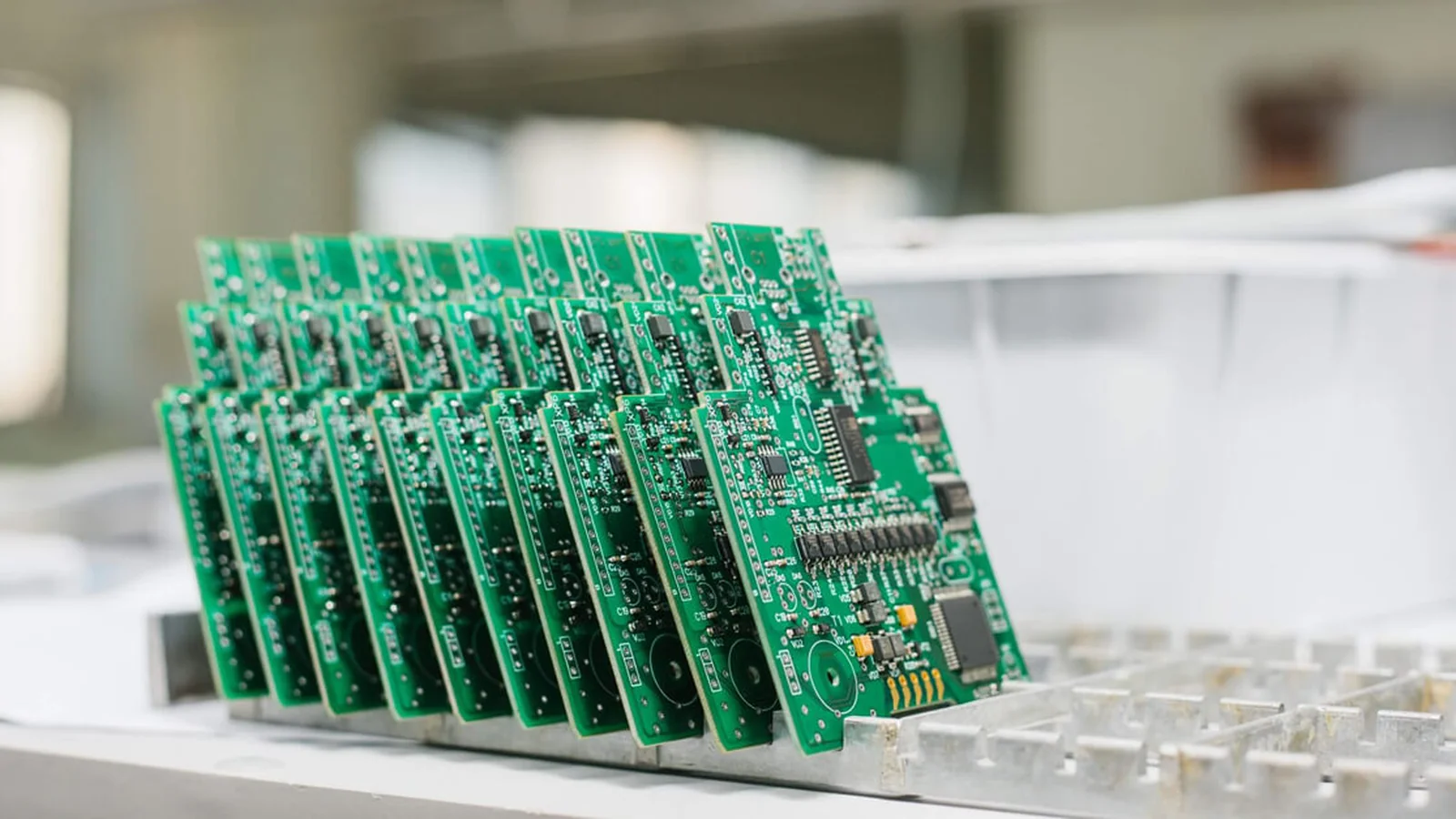
In September 2026, a developer shared a vehicle telemetry board designed entirely with AI in the Reddit community r/PCB.
According to the developer, AI handled the schematic, PCB layout, component selection, firmware, and communication protocol.
The reported result was encouraging:
"Everything worked first time."
The developer also used an oscilloscope, multimeter, and thermal camera to evaluate the finished board.
The original Reddit discussion shows how AI-generated electronic designs can become functioning physical hardware.
For companies developing electronic products, the harder question is what makes an AI-generated PCB ready for actual manufacturing.
What Real AI-Designed PCB Projects Reveal
Another developer shared a PCB project designed with Claude, involving a Raspberry Pi-based controller and an E-ink display.
During manufacturing preparation, the developer discovered two incorrect component selections: an SPI flash device and a transistor.
"It chose two wrong components"
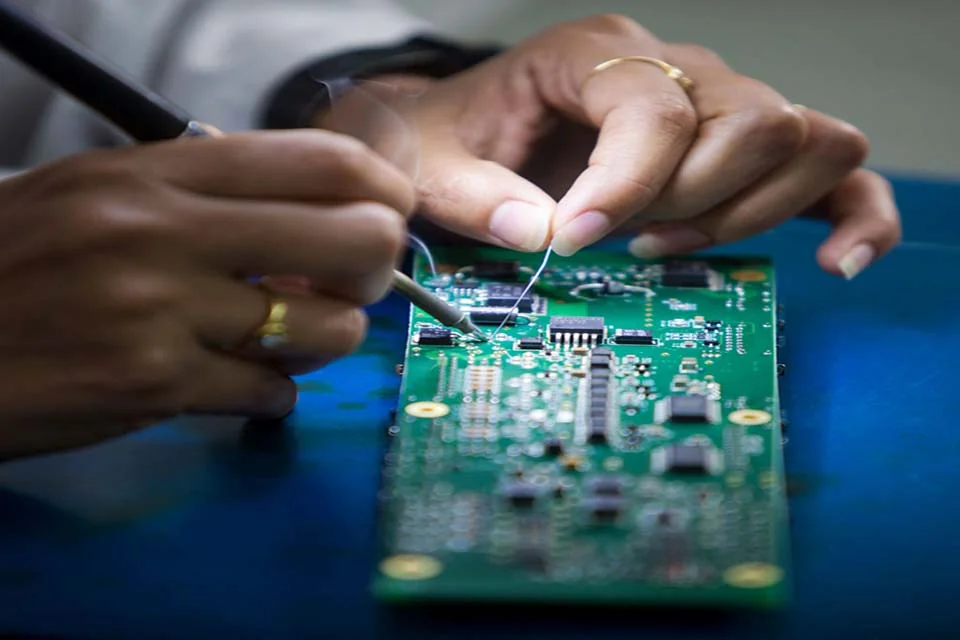
After resolving these issues, the developer ordered five assembled boards. The received hardware was recognized by a laptop and successfully ran software.
In a separate r/PCB discussion, another developer used AI for component selection, schematics, PCB layout, and manufacturing files. After receiving the boards, the developer found that a connector had been placed in the wrong orientation.
These individual experiences do not establish the reliability of AI-generated PCB designs as a whole.
They do show that AI can take part in real hardware development, while the finished design still needs to be evaluated against its intended requirements.
What PCB Manufacturers Need Before Production
Whether a PCB is created with AI assistance or conventional electronic design automation (EDA) tools, the manufacturing requirements stay the same.
A PCB manufacturer needs accurate fabrication information, component specifications, and clearly defined production requirements.
For assembled boards, the Bill of Materials (BOM) and Component Placement List (CPL) must also be consistent.
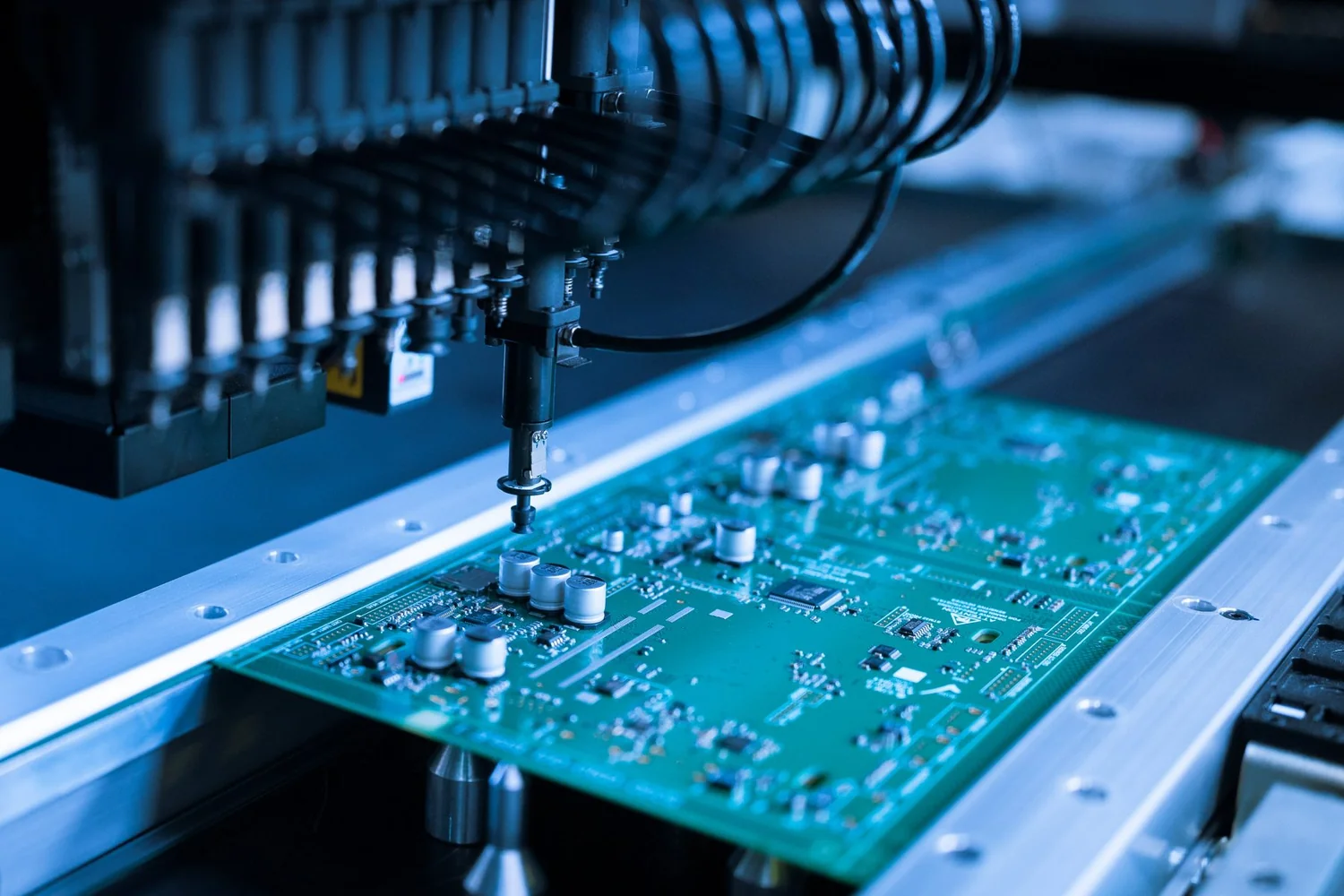
JLCPCB's BOM and CPL preparation guidance requires matching reference designators between both documents. It also emphasizes accurate component specifications and placement coordinates.
On October 28, 2026, PCBWay published a notice concerning AI-generated manufacturing files.
The company highlighted problems involving redundant documents, conflicting instructions, and unclear production requirements. Its recommendations include:
"Upload only the necessary and latest production files."
These requirements are not unique to AI-generated designs. They are fundamental to maintaining consistent manufacturing information.
Can AI Skills Help Establish Engineering Boundaries?
Beyond generating PCB designs, AI can also assist with technical reviews, document comparisons, and identifying potential inconsistencies.
One approach is to develop task-specific AI Skills rather than relying exclusively on general-purpose instructions.
Anthropic's official Skill authoring guidelines describe how Skills can organize reusable instructions, reference materials, workflows, and validation procedures.
For electronics engineering, these capabilities can be adapted to establish clear responsibilities and restrictions.
For example, an AI Skill designed for BOM review could require the system to compare part numbers against supplied datasheets, identify missing electrical specifications, and flag potential differences between component footprints.
Its boundaries could also explicitly prohibit inventing missing component specifications, modifying approved circuit requirements, or authorizing component substitutions without engineering approval.
If a specification cannot be verified, the appropriate output is an unresolved finding requiring further review, not an assumed answer.
These rules can make AI-assisted reviews more structured and traceable, but they cannot independently guarantee that every technical conclusion is correct.
Even established EDA tools have verification limitations. The KiCad schematic editor documentation explains that electrical rules checking cannot detect every error and that its accuracy depends partly on correctly defined symbol properties.
AI Skills, automated design checks, and engineering experience therefore serve complementary purposes.
From AI-Generated PCB Design to Manufacturing
AI-assisted PCB development creates additional opportunities to organize engineering work, automate repetitive checks, and explore design alternatives.
Successful prototyping does not, however, demonstrate readiness for repeatable production.
Before manufacturing, engineers still need to evaluate the intended circuit behavior, component compatibility, PCB layout, assembly requirements, and final production files.
Altium's manufacturing preparation documentation describes design-rule validation and the preparation of fabrication and assembly outputs as part of the project release process.
Whether AI or conventional design methods are better is beside the point. What matters is whether the final design and its supporting documentation suit the intended product and manufacturing process.
At Tongyong Industries (TY-PCBA), we use AI to support technical reviews and manufacturing preparation while relying on practical engineering experience to evaluate its findings. By developing task-specific AI Skills with clear boundaries, restricted actions, and verification requirements, we aim to make AI-assisted work more consistent and accountable. Our engineering approach combines these tools with component verification, manufacturability review, and appropriate human approval before production.