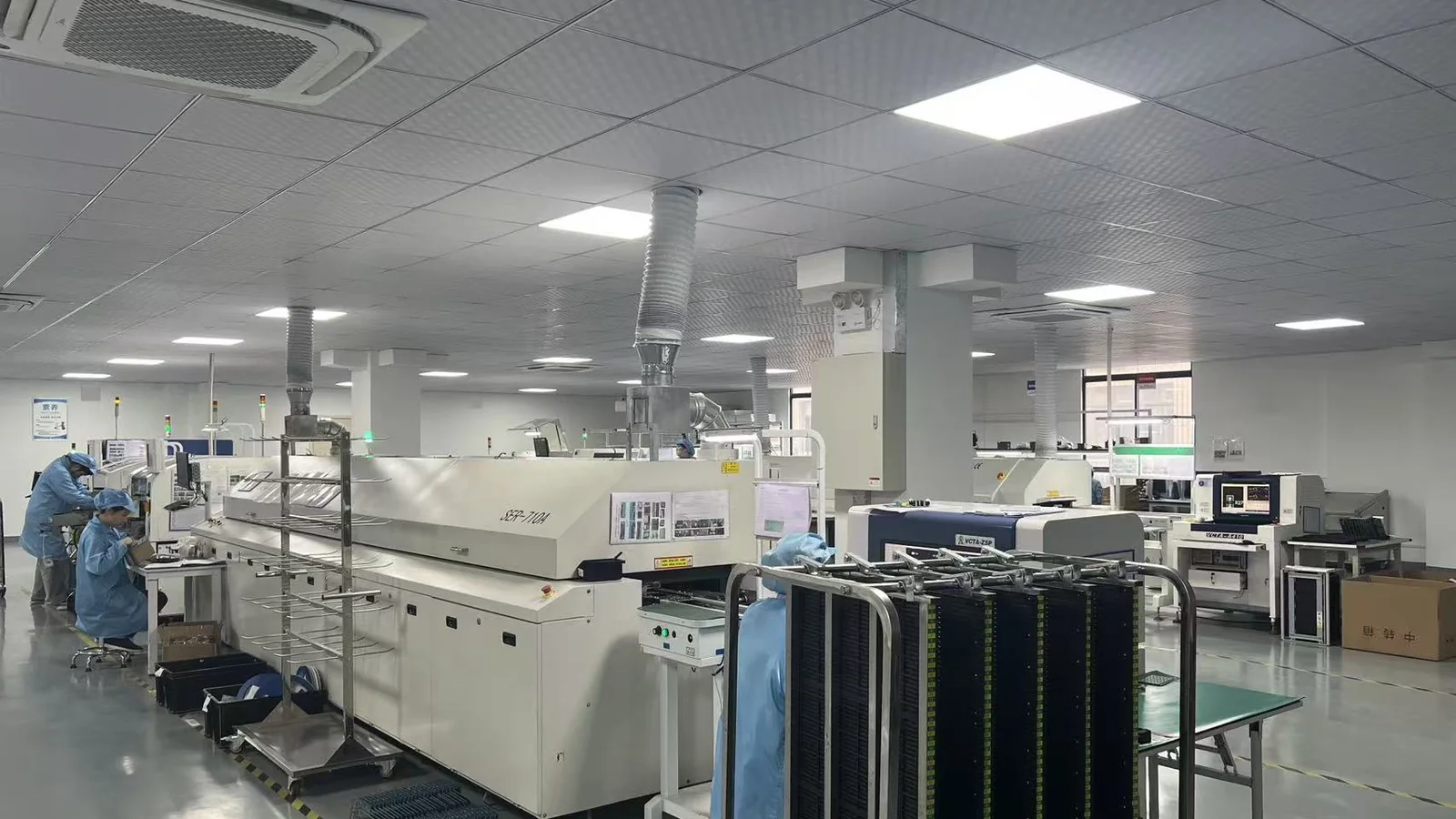
In July 2026, an electronics manufacturing professional described an expensive production problem in a public Reddit discussion.
According to the account, a prototype run of 100 PCB assemblies had been completed successfully. The customer examined the boards and approved the design for further production.
The next production run involved approximately 35,000 assemblies.
This time, the resistor values were wrong. Components that should have been 10 kΩ were reportedly populated as 10 Ω, while 47 kΩ positions received 47 Ω resistors.
The contributor stated that the affected production boards had to be scrapped.
One detail from the discussion matters: the customer had reviewed photographs of the newly assembled boards before the production run. The assemblies appeared correct, but their 0402 resistors had no visible value markings that could reveal the error.
The contributor also explained that the specific cause of the incorrect resistor values was never conclusively communicated.
This account appeared in the July 6, 2026, r/PCB discussion about moving electronic products from prototypes to production. It is a self-reported industry experience, not an independently investigated manufacturing failure.
Nevertheless, it points to a distinction that matters. Approving a working prototype does not verify the materials, machine setup, or production configuration used for a subsequent manufacturing batch.
For Original Equipment Manufacturers (OEMs), this is one of the reasons first article inspection (FAI) deserves attention before releasing PCB assemblies into regular production.
Why Prototype Approval Is Not the Same as Production Approval
A prototype is generally built to evaluate an electronic design.
Engineering teams may use it to confirm circuit behavior, firmware compatibility, interfaces, mechanical fit, and other product requirements.
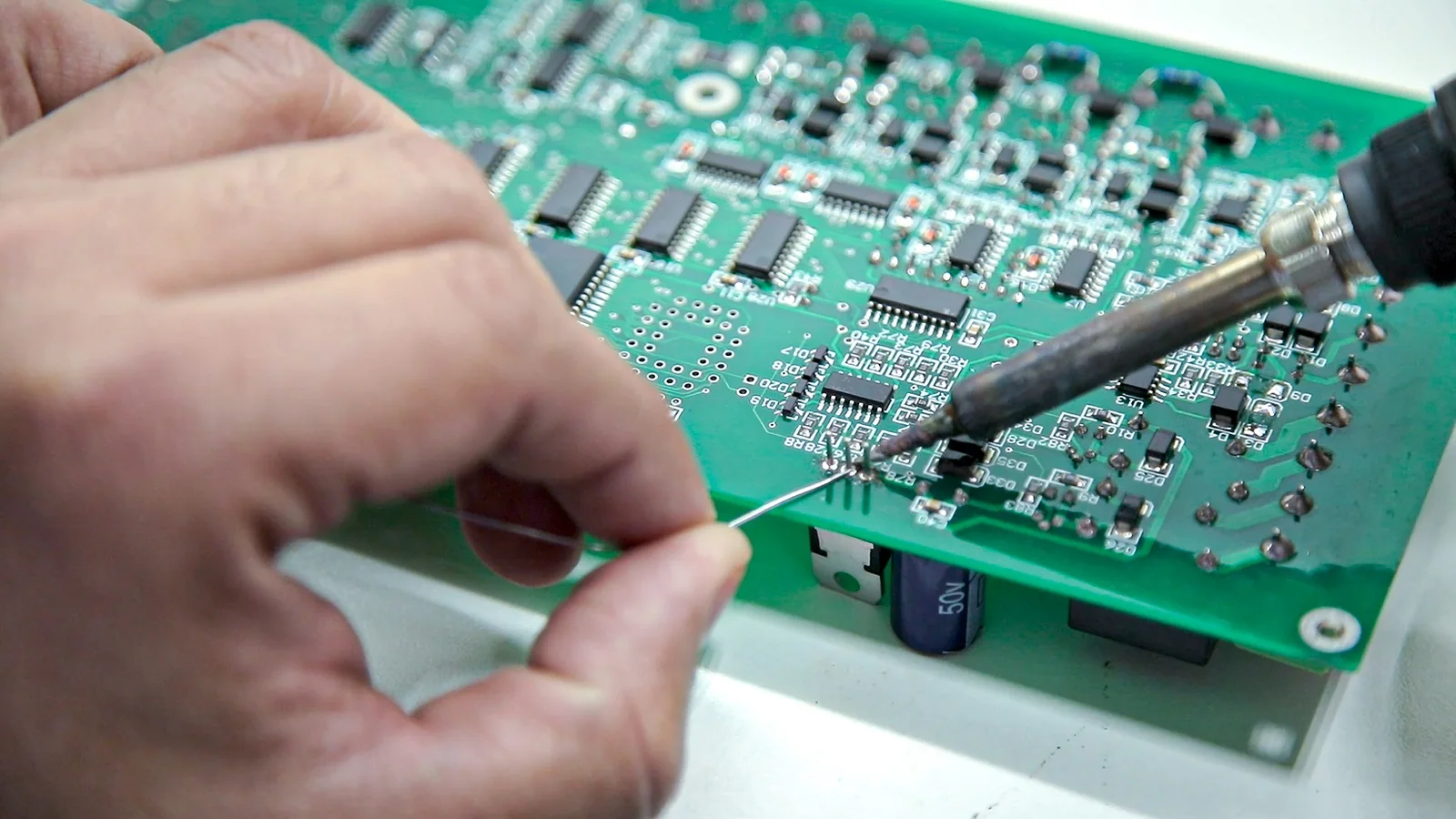
A prototype that functions correctly provides valuable evidence that the design can work under the conditions in which it was evaluated.
A production batch introduces additional variables, though.
The assemblies may be built using different component reels, placement programs, manufacturing equipment, or purchasing arrangements.
Even if the PCB layout and approved BOM remain unchanged, the production setup must reproduce the intended configuration correctly.
The Reddit account involving 35,000 assemblies illustrates this difference.
The reported problem was not that the original 100 prototypes were defective. The prototypes had worked.
The problem appeared in a subsequent production run, when the actual resistor values no longer matched the intended design.
The public account does not establish whether the error originated in purchasing, BOM interpretation, feeder preparation, machine programming, or another manufacturing activity.
It does show why an OEM should separate evidence that a design works from evidence that a particular production setup is manufacturing that design correctly.
Manufacturing industry guidance makes the same separation.
In October 2026, RLX Solutions published a technical explanation of first article inspection for PCB assembly. The manufacturer describes FAI as a production-release review that compares a representative initial assembly against approved manufacturing information.
Looking acceptable is the easy part. The real question is whether the manufacturing configuration, materials, assembly process, and defined inspection or testing activities are producing the intended product.
What Should a PCBA First Article Inspection Actually Confirm?
First article inspection should be based on the actual requirements of the product and the agreed manufacturing process.
For a PCB assembly, the first question is whether the inspected unit represents the correct product revision and assembly configuration.
That means confirming more than the PCB part number.
The released BOM, assembly drawing, component placement data, approved alternatives, and applicable manufacturing instructions must describe the same assembly.
A PCB may have several approved configurations that share the same bare board.
For example, an industrial controller may have different communication modules or optional components depending on the product variant.
If one configuration excludes a component using a Do Not Populate (DNP) instruction, the production setup should reflect that requirement.
A board containing all the correct component packages could still represent the wrong product variant.
Altium's Design Project Release documentation, updated in October 2026, distinguishes between PCB fabrication data and assembly data. It also describes how separate assembly outputs can be generated and maintained for different product variants.
This distinction matters because a manufacturing package is not a collection of independently correct files.
The documents must represent one identifiable, approved product release.
Once the correct configuration is established, first article verification can examine whether the physical assembly corresponds to it.
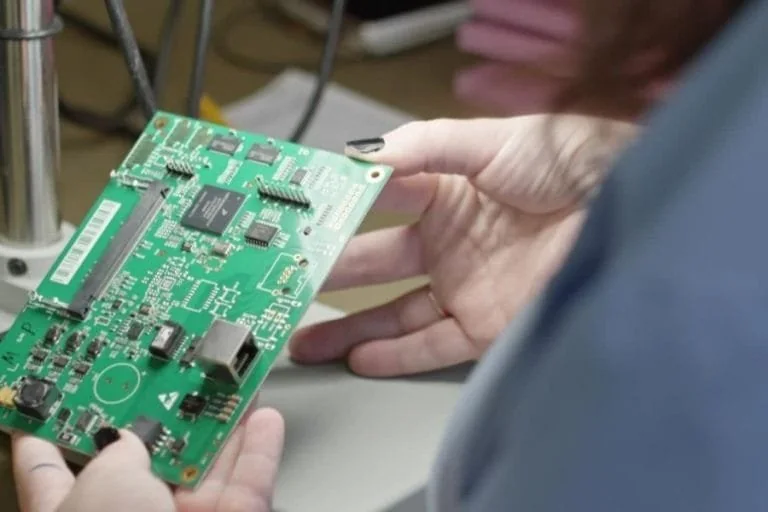
Relevant characteristics may include component identity, part values, reference designators, population, package type, polarity, orientation, connector installation, and any approved substitutions.
The required inspection and testing methods depend on which characteristics must be verified.
For example, a polarized component can sometimes be checked against its package markings and the assembly drawing.
But a small resistor with no visible value marking may require confirmation through material identification records, feeder or reel verification, suitable electrical measurement, or another agreed method.
The appropriate evidence depends on the component and the available test access.
This is why comparing a finished PCBA with an assembly photograph is not always sufficient.
A Correct-Looking Board Can Still Contain the Wrong Components
The resistor incident described on Reddit illustrates a limitation of appearance-based approval.
The contributor reported that the customer had reviewed images of boards from the production run.
The photographs appeared correct.
However, the resistors were in 0402 packages, and their values could not be identified from visible markings.
A visual comparison could potentially identify missing components, unexpected placement, or certain orientation problems.
It could not establish whether an unmarked resistor was 10 Ω or 10 kΩ.
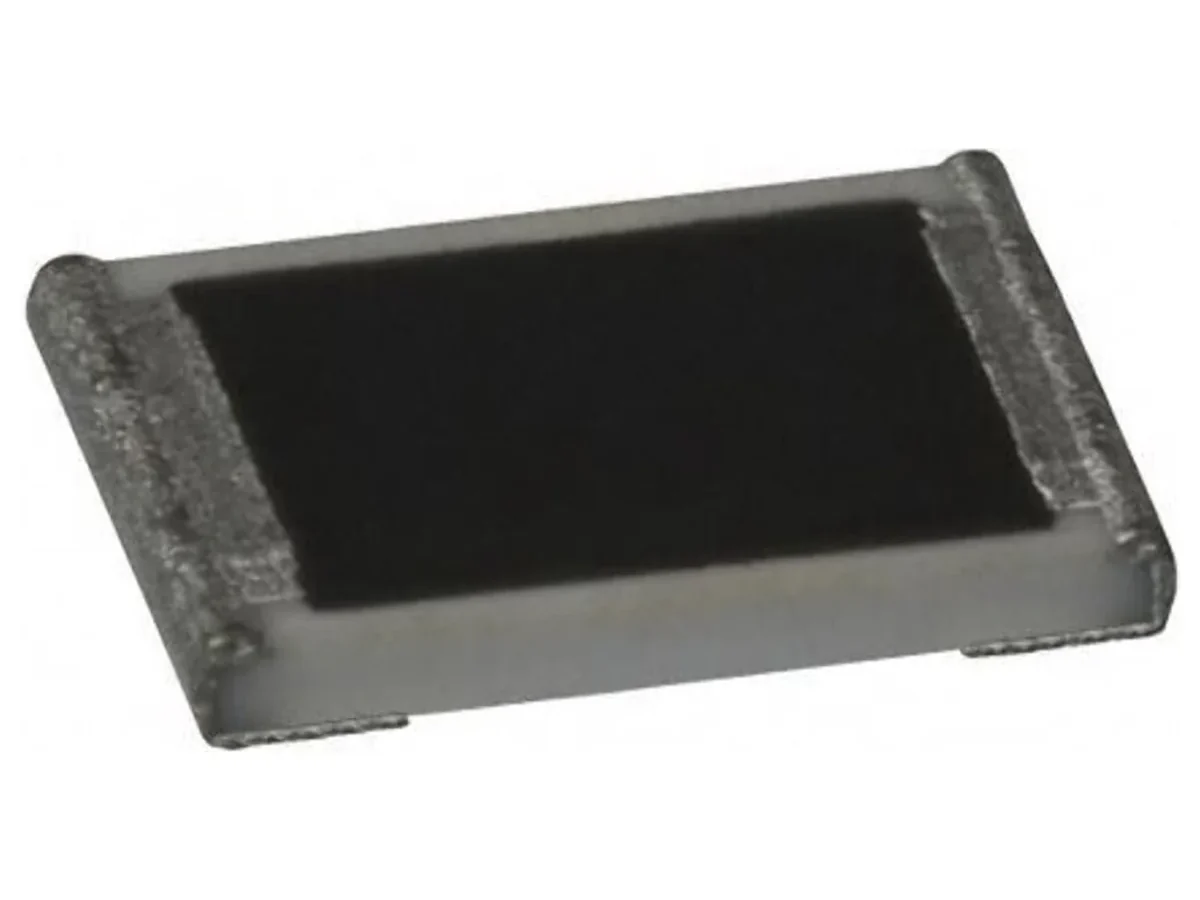
The difference is electrically substantial, even though the physical packages can appear identical.
None of this means that first article inspection should measure every installed component individually.
Depending on the design and production system, component identity can be controlled through supplier records, inventory identification, reel labels, machine feeder setup verification, and appropriate electrical testing.
An in-circuit test may help identify incorrect component values where the board design and test method provide adequate measurement access.
But electrical testing also has limitations. Parallel circuit paths, inaccessible nodes, and other design characteristics may complicate measurement of an individual installed component.
The inspection method therefore needs to match the characteristic being verified.
This issue has been discussed in manufacturing research for many years.
A paper titled First Article Inspection Strategies, presented at the 2006 IPC Printed Circuits Expo and APEX, examines the difficulties of verifying SMT machine setups.
The paper describes the need to reconcile the customer BOM, material planning records, feeder information, placement files, and the physical PCB assembly.
Although the paper is older, the underlying manufacturing problem remains relevant: verifying component placement alone is not equivalent to verifying that the correct components have been loaded.
For OEMs, first article approval should be supported by evidence appropriate to the actual risks of the assembly, rather than assuming that a visually acceptable board necessarily contains the correct electrical components.
The Bare PCB Must Also Match the Approved Manufacturing Requirements
Component assembly is not the only stage where production can diverge from an approved design.
In the same July 2026 Reddit discussion, another contributor described a separate experience involving a change in bare-board fabrication source.
According to the account, a small number of boards from an established supplier had been evaluated successfully.
A subsequent larger batch was reportedly manufactured through another fabrication facility associated with that supplier.
The contributor stated that an error in the translation of Gerber data affected the internal layers, leaving many component connections disconnected from the intended ground network.
By the time the problem was discovered, approximately 100,000 components had already been soldered onto the boards. The resulting assemblies required extensive rework.
As with the resistor incident, this is a public first-hand account rather than an independently verified technical investigation.
It illustrates a different manufacturing risk.
An assembly can contain the correct components and still fail if the underlying bare PCB does not reproduce the intended design.
This is why PCB fabrication requirements and PCBA assembly requirements need to be considered together.
For example, bare-board manufacturing may require confirmation of board thickness, layer construction, material specifications, drill characteristics, finished dimensions, and relevant electrical properties.
The appropriate fabrication acceptance criteria depend on the board design and the product's requirements.
First article review of a completed assembly should not be read as a substitute for the necessary bare-board fabrication controls or electrical tests.
The broader lesson is that an approved product design must be reproduced correctly at every relevant manufacturing stage.
A visually acceptable assembled board cannot compensate for an incorrectly manufactured internal copper layer.
First Article Inspection, AOI, ICT, and FCT Serve Different Purposes
First article inspection is often discussed alongside automated optical inspection (AOI), in-circuit testing (ICT), and functional circuit testing (FCT).
These activities are related, but they do not answer exactly the same questions.
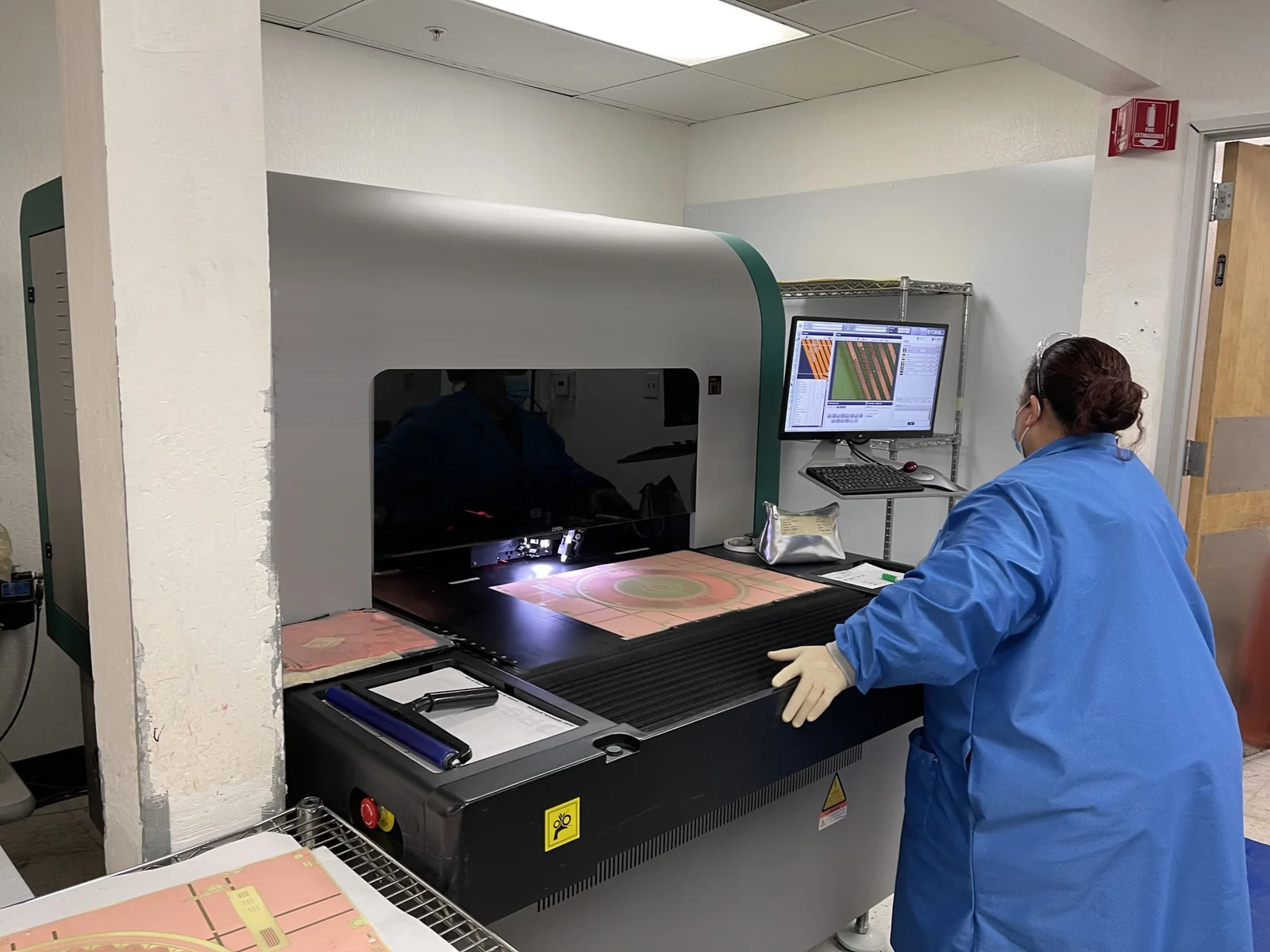
AOI evaluates visible assembly features according to the capabilities and settings of the inspection system.
It may identify missing components, placement problems, polarity concerns, and certain soldering defects.
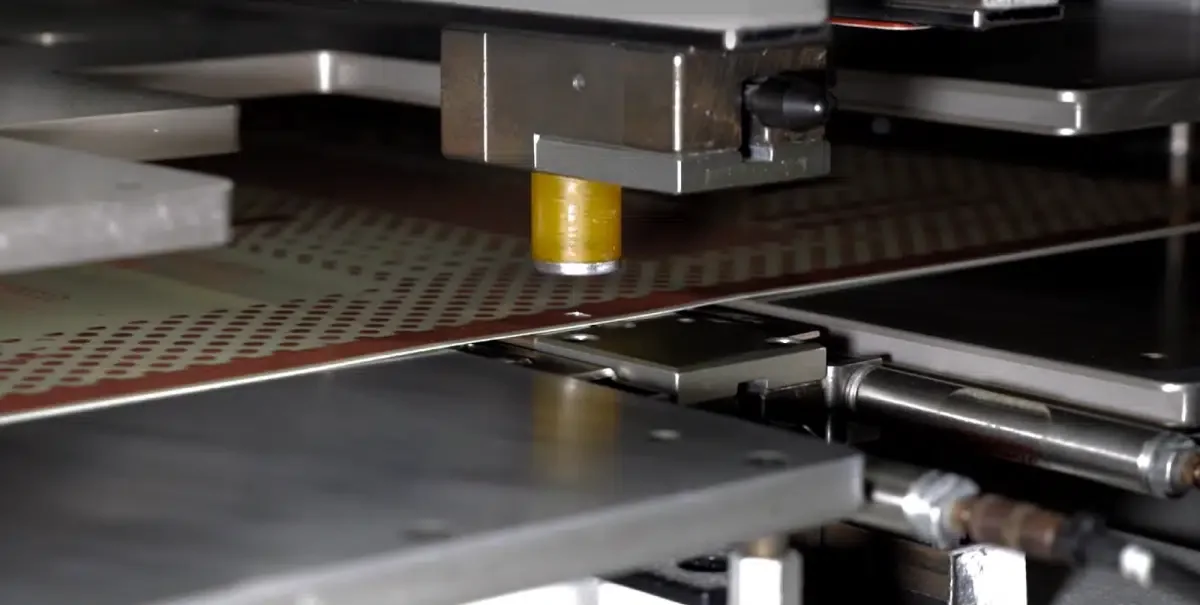
X-ray inspection can provide additional evidence for solder connections that cannot be examined directly through optical methods.
For example, OMRON's technical discussion of automated X-ray inspection explains why components such as ball grid arrays (BGAs), whose solder joints are located beneath the package, create inspection challenges.
ICT may be used to check selected electrical connections and component-level conditions, including opens, shorts, or component values, depending on available test access and the approved program.
FCT assesses how the assembled board behaves when specific inputs, operating conditions, and acceptance criteria are applied.
But none of these methods alone constitutes a complete first article release decision.
A board can pass an electrical functional test while containing an assembly characteristic that violates the specified workmanship requirements.
Similarly, a board may meet its visual acceptance criteria while containing an incorrect unmarked component value that requires a different verification method.
The distinction is supported by IPC-A-610J, Acceptability of Electronic Assemblies, published in March 2024.
IPC-A-610J establishes visual quality acceptability criteria for electronic assemblies. It explicitly does not provide acceptance criteria for every form of X-ray or cross-sectional examination.
The related IPC J-STD-001J, Requirements for Soldered Electrical and Electronic Assemblies, addresses soldering materials, methods, process control, and acceptance requirements.
These standards have different purposes.
Neither automatically verifies that an installed resistor has the intended value, that the correct firmware has been programmed, or that the finished product meets every operational requirement.
For OEMs, first article acceptance needs to connect the relevant manufacturing evidence rather than treat one inspection result as proof of all product characteristics.
Which International Standards Apply to First Article Approval?
Several international and industry standards provide useful guidance for controlling PCBA manufacturing and production release.
Their scopes are not identical, though.
ISO 9001:2026, Quality Management Systems — Requirements, published in September 2026, establishes requirements for managing quality, controlling production activities, verifying conformity, and releasing products and services.
It provides a general quality management framework but does not mean that every certified commercial manufacturer must use a particular PCBA first article form or obtain customer signatures for every production batch.
ISO 10007:2017, Guidelines for Configuration Management, is relevant when determining whether a manufactured assembly corresponds to the approved product configuration.
Its guidance addresses configuration identification, change control, status accounting, and configuration audits.
These principles are valuable when an OEM has multiple PCB revisions, product variants, or approved component substitutions.
A more specific first article standard is SAE AS9102C, Aerospace Series — First Article Inspection Requirements, revised in June 2023.
AS9102C establishes requirements for performing and documenting first article inspection in aerospace applications.
Its requirements are complementary to applicable customer, statutory, and regulatory obligations.
AS9102C is not, however, a universally mandatory standard for ordinary commercial PCBA manufacturing.
An OEM producing general industrial electronics should not automatically assume that every EMS supplier must provide an AS9102C-compliant first article report.
The appropriate inspection scope, documentation, approval process, and applicable standards should be established according to the product, industry, and contractual requirements.
A commercial PCBA project may need a defined first article review without adopting every documentation requirement used in aerospace manufacturing.
The aim is meaningful manufacturing evidence, not unrelated compliance obligations.
Who Should Approve the First Production-Representative Assembly?
A first article should represent the actual manufacturing conditions intended for the subsequent production batch.
It should not be confused with an earlier engineering prototype built using a different process or production setup.
Before the manufacturing lot is released, the OEM and EMS supplier should establish which characteristics require review and who has the authority to accept the result.
The manufacturer may be responsible for inspecting component placement, verifying materials, reviewing process results, and completing the agreed manufacturing tests.
The OEM may be responsible for approving design-related changes, component substitutions, or product-specific acceptance requirements.
The exact responsibility depends on the manufacturing agreement.
Some manufacturers use an explicit customer approval gate before proceeding with the remainder of a new production lot.
RLX Solutions describes such an arrangement in its October 2026 article about PCBA first article inspection.
This is one documented commercial practice, not a universal requirement imposed on every EMS project.
Other manufacturing agreements may authorize the supplier's quality department to release the lot when predefined criteria are satisfied.
Where customer sign-off is required, the conditions and timing should be established before production begins.
The approval evidence may include confirmation of the correct BOM and revision, inspection results, component verification, applicable test results, and documented resolution of outstanding engineering questions.
For products requiring firmware programming or configuration data, the approved hardware and software versions may also need to be identified.
An OEM should be able to understand what was reviewed and what the approval actually covers.
A photograph or a PASS status without a defined inspection scope may provide less useful evidence than a properly documented review of the relevant manufacturing characteristics.
What Happens When the First Article Does Not Meet Requirements?
A failed first article should trigger evaluation of the discrepancy before the affected production process continues.
The underlying cause may involve incorrect material identification, an outdated BOM, a placement-program error, a process parameter, a fabrication defect, or another manufacturing condition.
For example, an incorrect component value might originate in purchasing, inventory identification, feeder preparation, or production data.
Replacing the component on the first inspected board does not necessarily eliminate the underlying cause.
The manufacturer needs to determine whether the condition could affect other assemblies produced using the same setup or material lot.
Depending on the issue, corrective action may involve updating manufacturing instructions, correcting the machine program, replacing or verifying materials, or modifying the approved manufacturing process.
If a proposed correction changes the product's approved design or component specification, the necessary customer authorization should be obtained.
Once the cause has been addressed, the affected characteristics should be verified again before the production setup is treated as acceptable.
This is consistent with the broader quality management principles of ISO 9001:2026 concerning control of nonconforming outputs and corrective action.
Correcting the inspected unit is not enough. The process that will build the remaining units has to be shown to no longer contain the discrepancy.
A first article review has limited value if the production line repeats the same underlying error after the inspected unit has been corrected.
Does First Article Approval Guarantee That the Rest of the Batch Will Be Correct?
No.
First article acceptance provides evidence that a particular manufacturing configuration produced an acceptable initial assembly under the conditions examined.
It does not guarantee that every subsequent unit will remain conforming.
During continued production, new material lots may be introduced, component reels may be replaced, equipment conditions may change, and process variation may occur.
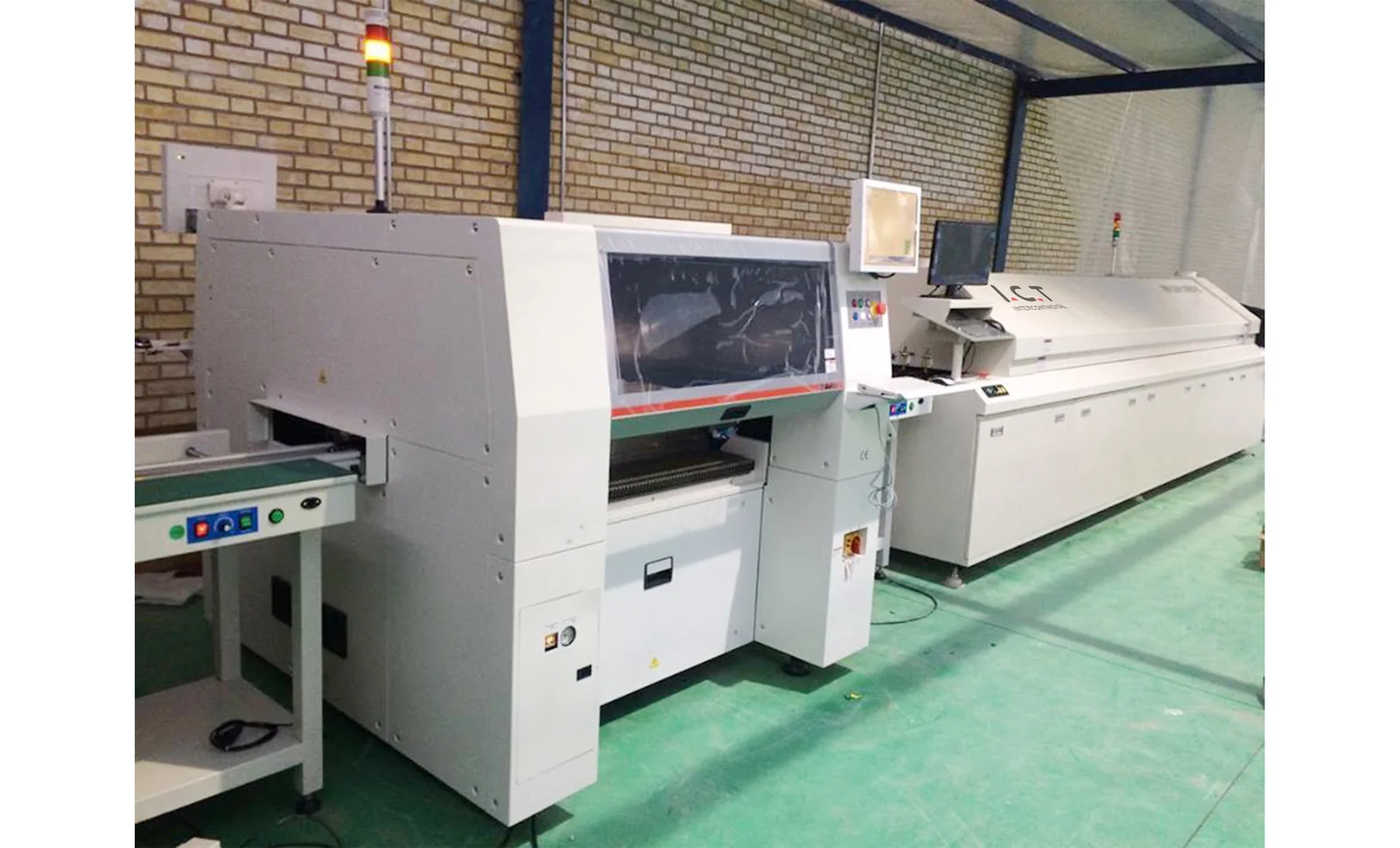
A first article inspection cannot detect every problem that may develop later in the production run.
That is why production process control and ongoing inspection remain necessary after initial approval.
IPC J-STD-001J explicitly emphasizes process control as a means of maintaining consistent quality during soldered electronic assembly manufacturing.
The appropriate ongoing control activities depend on the manufacturing process and the agreed inspection requirements.
For example, maintaining component identification during feeder changes, controlling soldering conditions, reviewing inspection trends, and executing defined production tests may all contribute to continued conformity.
Reassessment may also be appropriate when significant manufacturing conditions change.
Examples include a revised PCB design, a new assembly variant, a substituted critical component, changed tooling, or a transfer to a different manufacturing facility.
Not every change automatically requires a complete new first article inspection.
The appropriate level of reassessment should reflect which product characteristics and manufacturing conditions may have been affected.
An existing first article approval remains useful evidence, but it must be associated with the configuration and production conditions to which it applies.
Which Records Should OEMs Request Before Production Release?
The documentation required for production release should reflect the product's complexity and the customer's quality requirements.
A practical record should make it possible to identify the assembly that was inspected, the product configuration used, the characteristics reviewed, the applicable acceptance criteria, and the final disposition.
Where required, inspection and test records may also identify the relevant material lots, manufacturing equipment or program versions, firmware configuration, and any corrective actions completed before release.
These details become particularly useful during repeat production or subsequent quality investigations.
IPC-1782B, Standard for Manufacturing and Supply Chain Traceability of Electronic Products, establishes risk-based minimum traceability requirements for electronic products and associated manufacturing processes.
The standard recognizes different levels of traceability based on the needs of the product and its intended market.
Not every commercial PCB assembly requires the same component-level or serial-number-level documentation.
However, records should be sufficient for the manufacturing and quality responsibilities established in the project.
The purpose is evidence: something that can support production approval, repeat orders, and the investigation of any later discrepancy.
For OEMs comparing manufacturing suppliers, the important question is whether the proposed first article process can demonstrate that the actual production configuration meets the agreed requirements.
Approving the First PCBA Batch Is a Manufacturing Decision, Not Just a Prototype Decision
A successful prototype demonstrates important aspects of electronic design performance.
First article inspection addresses another question: whether the intended manufacturing configuration has produced an acceptable assembly before production proceeds.
The difference becomes important when PCB fabrication, component purchasing, machine setup, and inspection activities are transferred from engineering into regular manufacturing.
The publicly reported resistor incident illustrates why checking assembly photographs may not be sufficient to verify component values.
The separate account involving incorrect internal PCB connections shows why correct component assembly does not compensate for errors introduced during bare-board fabrication.
Neither anecdote establishes how frequently such failures occur across the industry. Both illustrate manufacturing risks that need to be assessed using evidence appropriate to the product.
IPC workmanship and soldering standards, ISO quality and configuration management principles, and industry-specific first article requirements provide different forms of guidance.
Their application should be determined by the manufacturing project rather than treated as interchangeable requirements.
For an OEM preparing a PCBA for regular production, the most useful approach is to establish the approved design configuration, verify relevant materials and production characteristics, define the required inspection and testing activities, and agree on who can authorize production release.
Tongyong Industries provides PCB fabrication, component sourcing, SMT and through-hole assembly, engineering review, inspection, and PCBA testing services.
Through its PCB assembly services, OEM customers can submit their approved BOM, PCB manufacturing data, assembly documentation, production quantities, and inspection requirements for an initial engineering and manufacturing review.
Clarifying product configurations, manufacturing controls, and acceptance requirements before regular production helps establish a more reliable basis for repeatable PCB assembly and ongoing supplier coordination.