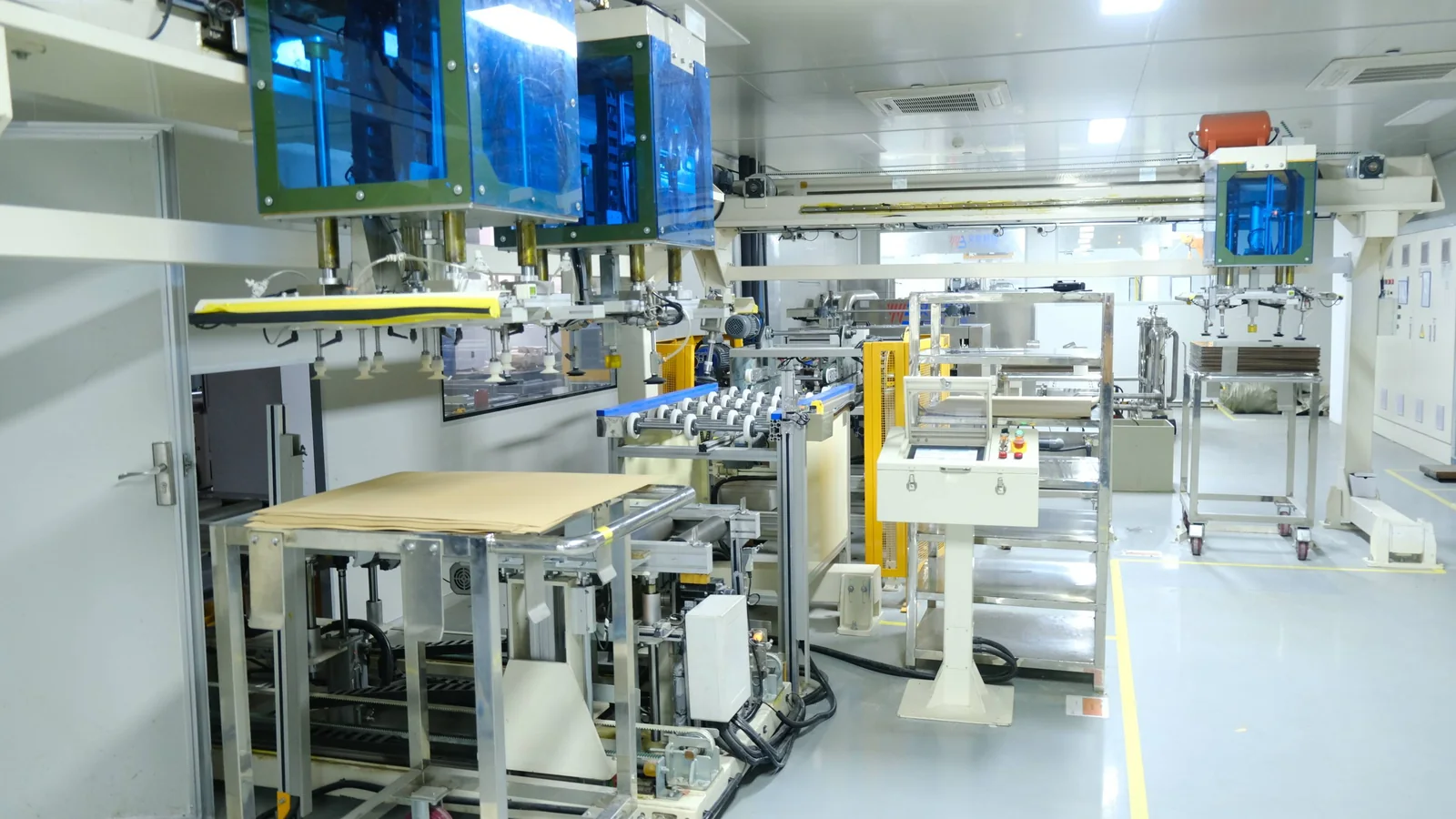
In April 2026, Panasonic Industry announced a 30% price increase for copper-clad laminates (CCL) used in conventional glass-epoxy multilayer circuit boards, alongside a 20% increase for prepreg materials. The new prices took effect on May 1.
The company attributed the changes to rising raw material costs and persistently high energy and logistics expenses.
The increases did not stop there. Panasonic announced further revisions in June and August 2026, affecting different categories of PCB materials.
By October, other suppliers were reporting similar pressures. On October 13, Kingboard Laminates increased prices by 15% for laminates and prepregs using style 2116 or thinner fiberglass fabrics, according to MoneyDJ's report on the company's price adjustment.
These announcements show that PCB material pricing in 2026 has become increasingly sensitive to upstream supply conditions.
A 30% increase in the price of a laminate does not mean that every finished PCB will cost 30% more, though. The actual impact depends on board construction, material grade, production volume, inventory, and the manufacturer's other costs.
For Original Equipment Manufacturers (OEMs), the more useful question is why these changes are occurring and how they affect future PCB fabrication and assembly orders.
What Is Driving PCB Material Price Increases?
A conventional multilayer PCB depends on several core materials, including copper foil, fiberglass reinforcement, resin systems, copper-clad laminates, and prepregs.
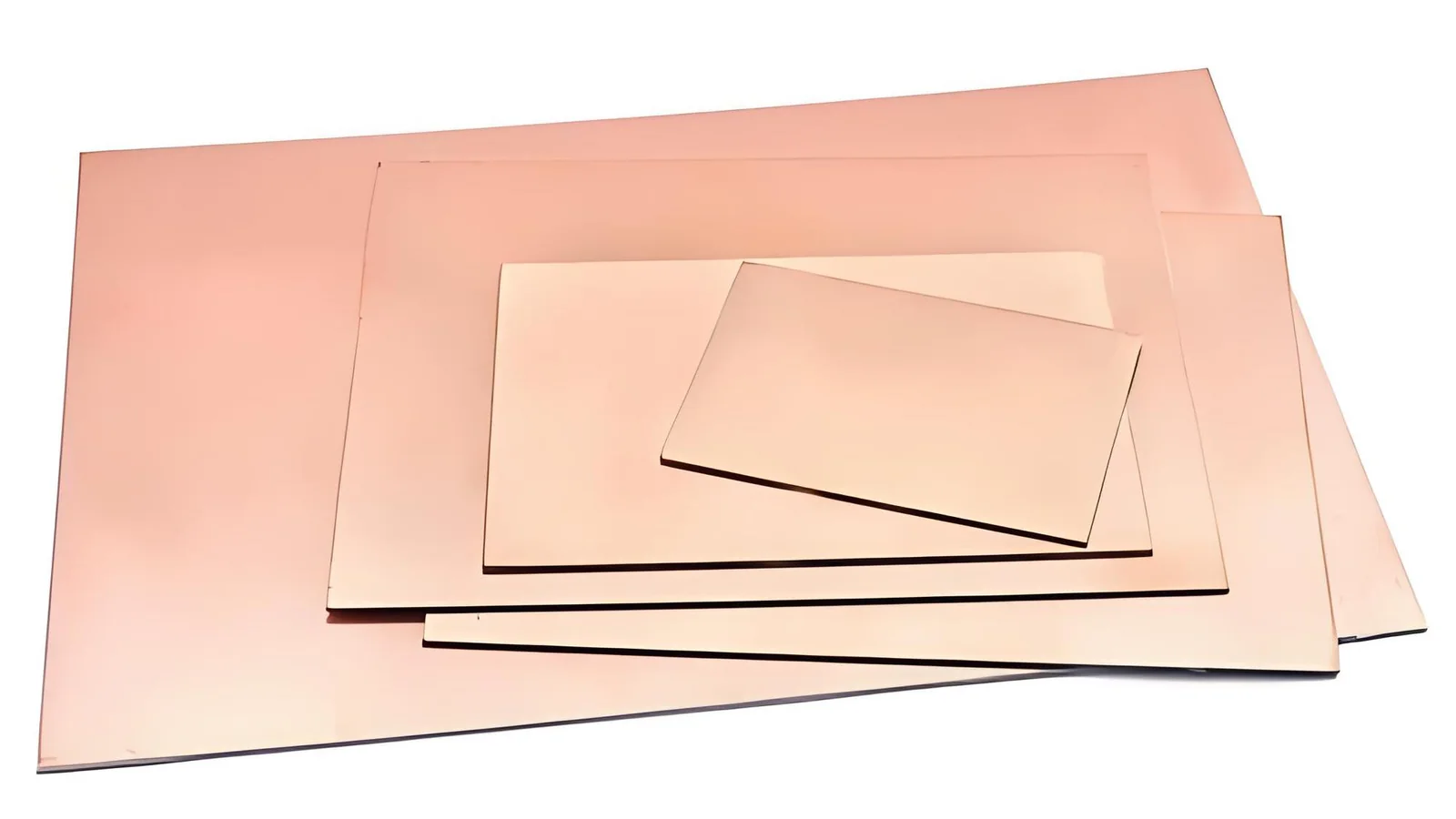
These materials are closely connected.
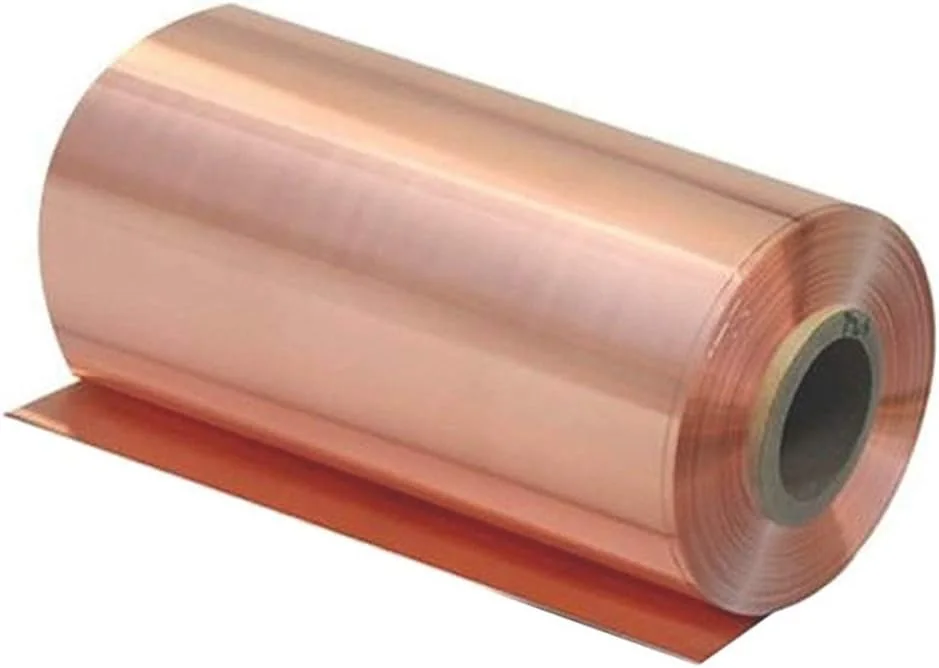
Fiberglass cloth provides structural reinforcement, while resin binds the reinforcement and contributes to the board's electrical, thermal, and mechanical properties. Copper foil forms the conductive layers.
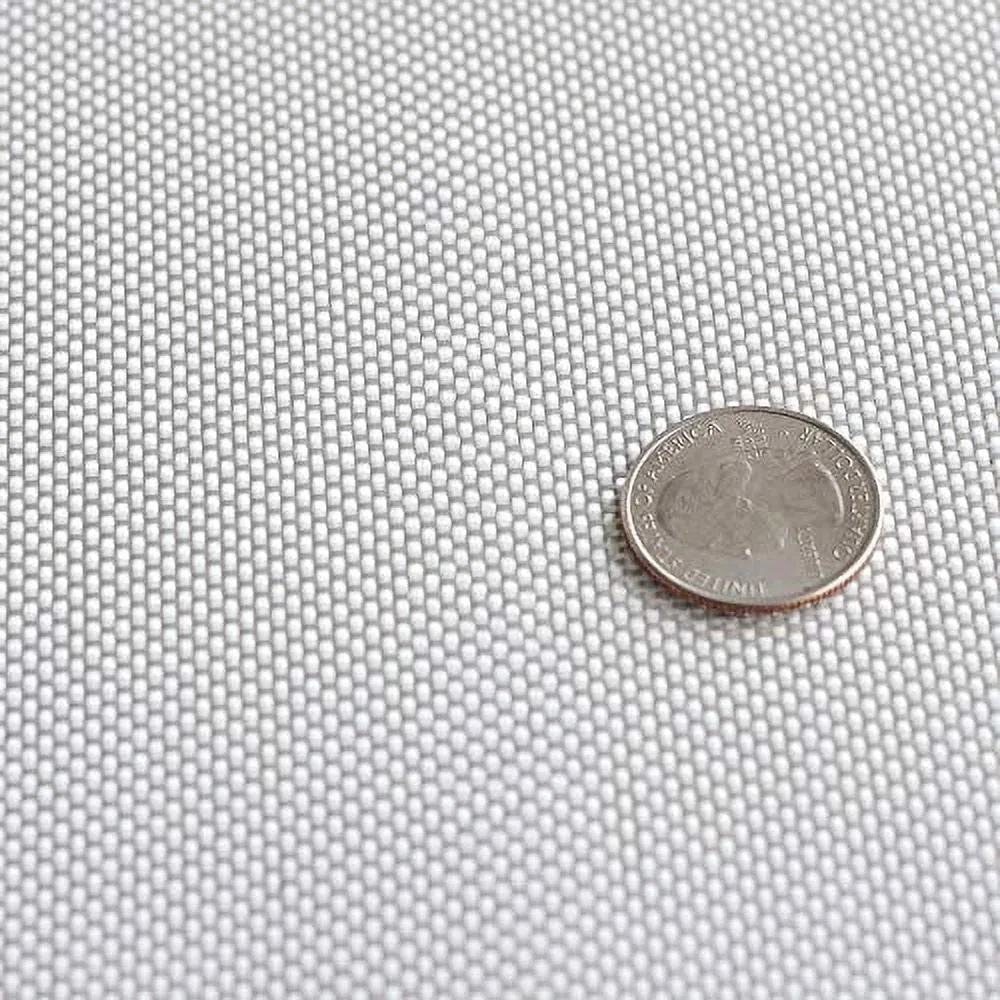
A change in the availability or cost of one material can affect laminate production, even when the remaining materials are readily available.
In its April 9, 2026, price revision announcement, Panasonic stated:
"Raw material prices continue to rise, while energy and logistics costs remain at a high level."
That explanation matters because PCB material inflation is not caused by a single factor.
Copper prices, chemical feedstocks, manufacturing energy, logistics, and the availability of specialized materials can all influence suppliers' costs.
In April, Reuters reported on disruptions affecting PCB raw material supplies, including epoxy-related materials, fiberglass, and copper foil.
According to the report, a Daeduck Electronics executive said waiting times for certain chemical materials, including epoxy resin, had increased from approximately three weeks to 15 weeks.
The report also described supply disruptions connected to the conflict in the Middle East and the resulting pressure on petrochemical production.
These examples describe two different problems: the cost of obtaining materials and the time required to secure them.
A manufacturer may be able to purchase a required material at a higher price, while another supplier may have difficulty obtaining the same material within the expected production schedule.
How Is AI Infrastructure Changing PCB Material Demand?
Demand from AI servers, data centers, and high-speed networking equipment has become a significant part of the PCB materials market.
These applications frequently require complex multilayer boards and specialized materials that support high-speed signal transmission.
Such requirements can increase demand for low-loss laminates, advanced fiberglass fabrics, and particular copper foil grades.
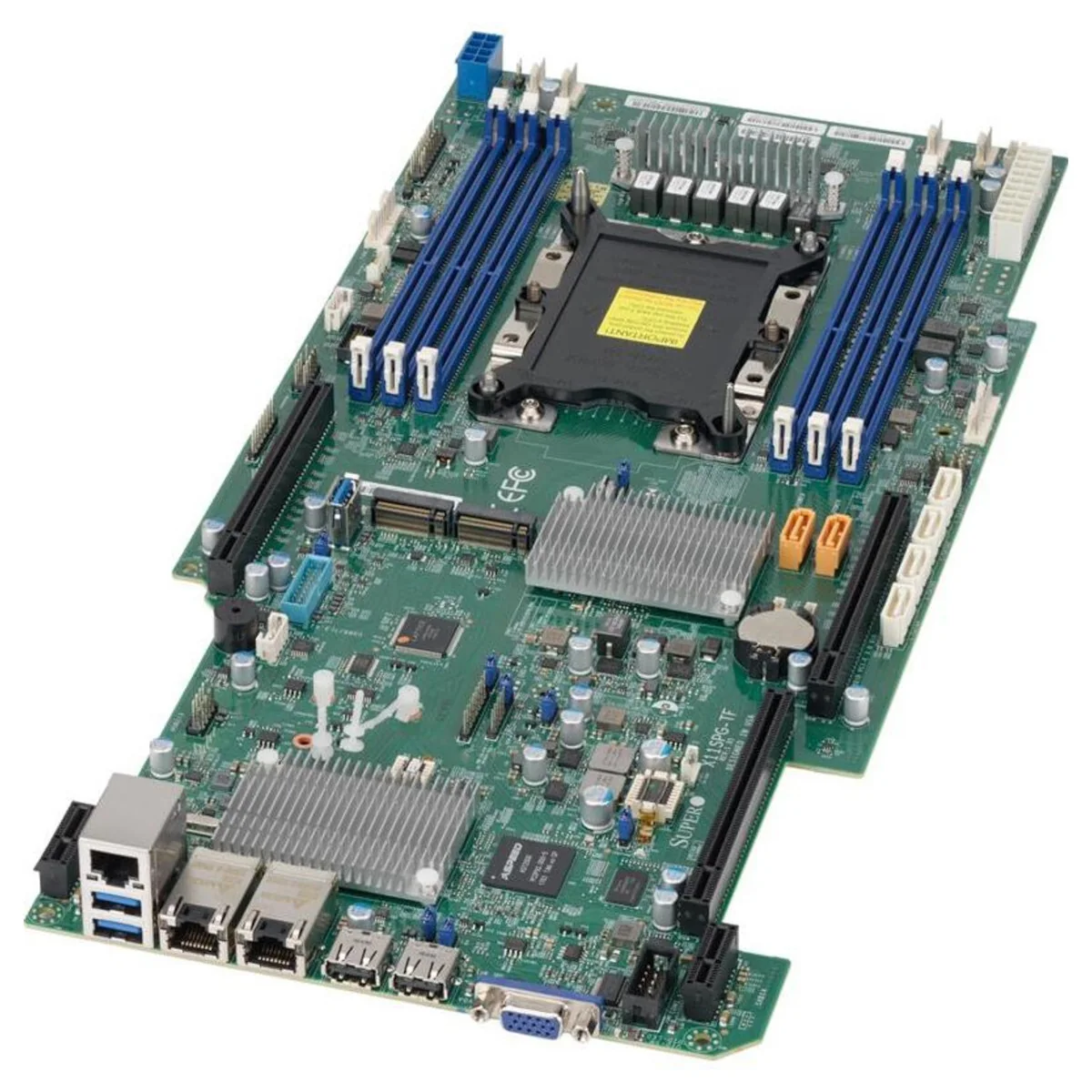
It would be misleading, though, to suggest that every PCB used in an AI server requires the same material or that AI infrastructure is responsible for every price increase.
The development that matters is the additional demand placed on selected material categories and production capacity.
In March 2026, TrendForce examined shortages of advanced fiberglass fabrics, including T-glass materials used in increasingly complex AI-related hardware.
The research indicated that expanding supply would take time, with some new capacity not expected until 2027.
More recently, on October 30, Panasonic Industry announced approximately ¥92 billion in AI-related investments.
Of this amount, approximately ¥67 billion is intended to expand production capacity for MEGTRON high-performance multilayer circuit board materials at facilities in China and Thailand.
The planned second-phase facilities are scheduled to begin operating in August 2028 and April 2029, respectively.
These investments show how manufacturers are responding to growing demand for advanced electronic materials.
They also illustrate why increasing production capacity is not an immediate solution. New buildings, equipment, production processes, and material qualification all require time.
For buyers, announcements of future capacity expansion should not be read as evidence that current supply constraints have disappeared.
Why Are PCB Lead Times Getting Longer?
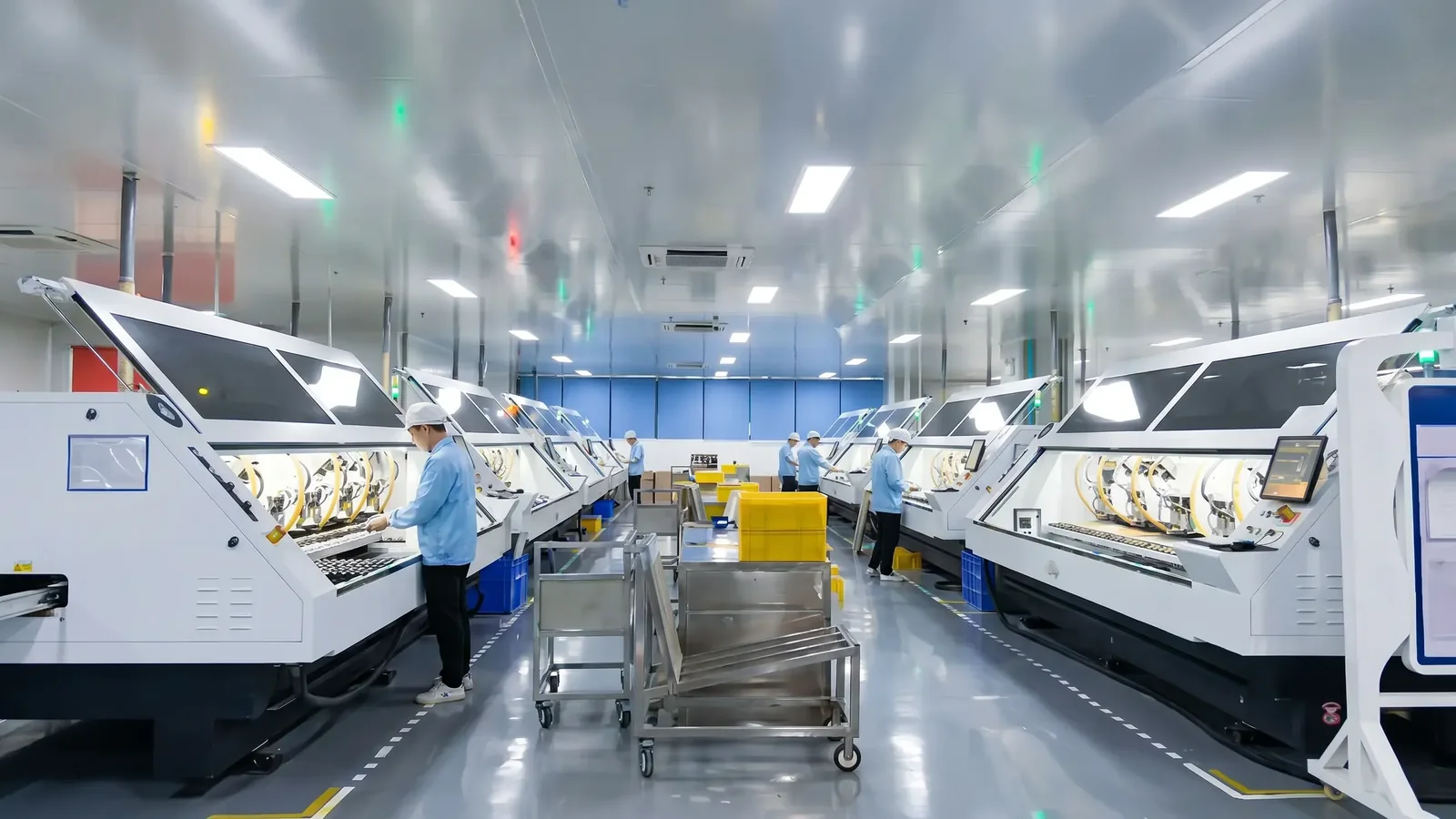
A PCB factory may have available production equipment but still be unable to begin manufacturing immediately if the specified laminate or prepreg is unavailable.
The effect depends on the actual board specification.
In March 2026, European electronics industry publication Evertiq reported that German PCB manufacturer ILFA had experienced substantial changes in material availability.
According to the Evertiq report on PCB lead times, lead times for standard FR-4 laminates from major suppliers had increased from a few days to approximately four weeks.
For certain advanced materials, reported lead times had reached as long as 140 days.
These figures describe reported material procurement conditions, not universal delivery times for finished PCBs.
The distinction matters when planning manufacturing, though.
The overall production schedule may include material procurement, PCB fabrication, inspection, component sourcing, assembly, functional testing, and shipping.
If a specified laminate becomes unavailable, the delay can occur before the first manufacturing operation begins.
For repeated production orders, the situation can be particularly confusing.
A PCB design that was manufactured successfully several months earlier may now require a longer delivery period, despite having identical Gerber files and unchanged technical specifications.
The change may reflect the availability of the previously approved material rather than any modification to the PCB design itself.
Are Standard FR-4 Boards Affected Too?
Much of the attention surrounding PCB material shortages initially focused on advanced laminates for high-frequency and high-performance applications.
The pressure has not remained entirely within these categories, however.
In August 2026, Evertiq reported that material constraints were spreading to standard FR-4 and thicker copper-clad laminates, citing a market update from Norwegian PCB supplier Confidee.
The supplier described changing demand patterns across the electronics industry, with increasing consumption of specialized materials and manufacturers adjusting their production priorities.
This creates a potential connection between advanced and conventional PCB materials.
Production capacity and certain upstream inputs can serve multiple product categories. When supply is limited or manufacturers change their product mix, availability in one category may influence another.
Standard FR-4 should not be treated as universally unavailable, though.
Its supply conditions depend on the material specification, thickness, copper configuration, regional supplier network, and production schedule.
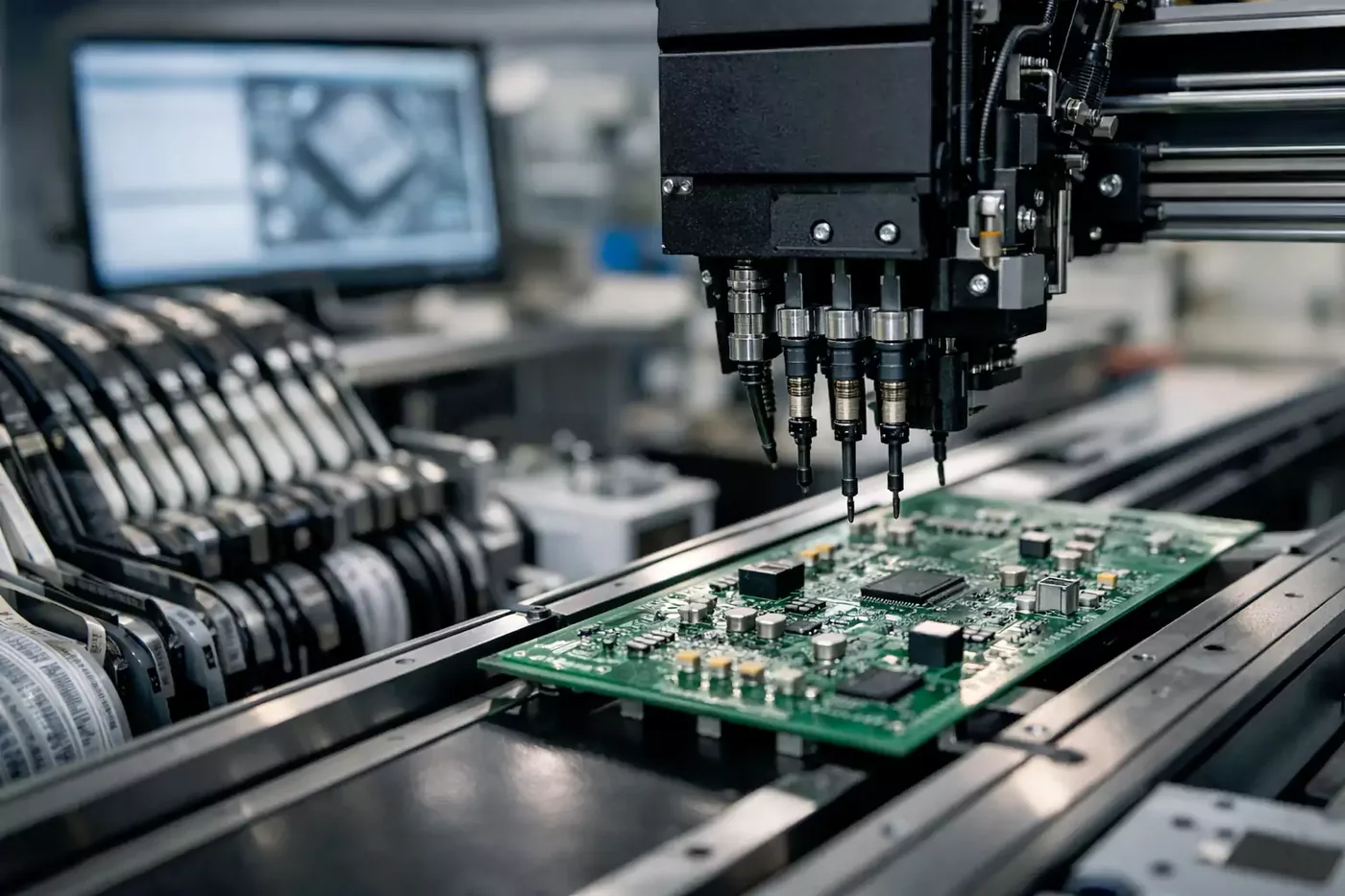
Likewise, a shortage affecting a specific high-performance laminate should not automatically be generalized to every common double-sided or multilayer PCB.
The practical purchasing issue is identifying whether a particular design requires a constrained material, rather than assuming that all PCB materials face identical supply conditions.
Why Can't Manufacturers Simply Substitute Another Laminate?
When the specified PCB material becomes expensive or difficult to obtain, switching to an alternative laminate may appear to be an obvious solution.
For some applications, an alternative material can be technically acceptable.
Material substitution has to consider more than nominal thickness or whether both products are described as FR-4, though.
The relevant properties may include dielectric constant (Dk), dissipation factor (Df), glass transition temperature (Tg), coefficient of thermal expansion (CTE), thermal performance, copper adhesion, and other characteristics.
Which properties matter depends on the intended application.
For high-frequency circuits, dielectric behavior can influence transmission performance.
A peer-reviewed paper published in Scientific Reports on November 12, 2024, examined this relationship in detail.
The study, Low Dielectric Properties of Alkali-Free Aluminoborosilicate Fiber Glasses for PCB Applications at 10 GHz, investigated glass compositions intended for high-frequency PCB reinforcement.
Researchers measured dielectric constant and dissipation factor and compared their experimental glass materials with commercial fiberglass compositions.
The results demonstrated that glass composition influences dielectric performance.
The study concerned experimental glass materials, not qualification of interchangeable commercial PCB laminates. It does provide evidence that fiberglass characteristics can be significant to electrical performance.
Material selection also involves mechanical and thermal considerations.
The IPC-4101F:2026 specification addresses laminate and prepreg materials used primarily for rigid and multilayer printed boards.
It provides a framework for material classification and characterization, procurement, and quality assurance.
For an OEM, the useful question is whether the proposed alternative satisfies the technical requirements of the approved PCB construction, not whether another supplier offers a material with a similar commercial description.
Depending on the application, substitution may require engineering review, confirmation of the stack-up, electrical evaluation, or additional product testing.
A lower-priced material is not necessarily an acceptable alternative if it changes the characteristics on which the design depends.
How Do Material Price Changes Affect PCB and PCBA Quotations?
PCB material cost is one component of a finished board quotation.
Other factors include manufacturing complexity, layer count, drilling, copper processing, surface finishing, inspection, yield, production quantity, and factory capacity.
Upstream price changes therefore do not translate into identical percentage increases across all finished PCB quotations.
Consider two projects using different board constructions.
One may use a common FR-4 material that the manufacturer already holds in inventory.
The other may require a specific low-loss laminate that must be purchased for the order.
Even if both designs have unchanged manufacturing files, the effect of a new supplier quotation can differ significantly.
The same distinction applies when comparing PCB fabrication and complete PCBA manufacturing.
A PCBA quotation may include bare boards, electronic components, SMT and through-hole assembly, inspection, testing, and other agreed operations.
An increase in laminate prices affects the PCB fabrication portion of that work. It does not necessarily indicate that assembly labor or every electronic component has increased by the same percentage.
Material procurement timing can also influence quotations.
A supplier may have existing inventory purchased before a price adjustment, while another may need to buy material at current prices.
A quoted price may therefore depend on the procurement date, order quantity, material availability, and the period for which the manufacturer agrees to maintain that price.
For buyers evaluating several quotations, understanding these assumptions is more useful than comparing the final price alone.
What Should OEMs Do Before Placing PCB Orders in 2026?
The first priority is to establish the actual material requirements of the design.
If a specific laminate grade, stack-up, dielectric property, or copper configuration is necessary, those requirements should be communicated clearly during quotation.
If material substitutions are technically possible, the acceptable alternatives and required approval process should be established before purchasing.
For products moving from prototype to repeated manufacturing, it is also useful to confirm whether the material used in the original build remains available.
A successful prototype does not necessarily guarantee that the same material can be purchased at the same price or within the same lead time for future batches.
Production quantity and scheduling deserve similar attention.
Providing reasonable demand forecasts can help a manufacturer evaluate material procurement requirements, although forecasts alone cannot guarantee availability.
Buyers should also distinguish between a preliminary quotation and a confirmed production arrangement.
The availability of a particular material, the validity period of the quoted price, the expected procurement period, and any proposed alternatives may need confirmation before the order is released.
These considerations matter especially when the PCB is part of a larger PCBA production project.
A delay in obtaining bare boards can affect assembly scheduling, component inventory coordination, testing arrangements, and the final product delivery date.
Coordinating these activities early does not eliminate external supply risks, but it helps make the dependencies visible before production commitments are finalized.
What Can PCB Buyers Expect After 2026?
The material supply situation is likely to remain uneven.
Advanced PCB manufacturers and material suppliers are investing in additional production capacity, but new facilities generally require substantial construction and qualification periods.
Panasonic's October 2026 investment announcement is one example of capacity planned over several years rather than immediately.
For the near term, the effects of demand growth, material allocation, raw material costs, and regional supply conditions may continue to vary by product category.
There is insufficient evidence to conclude that every PCB material will keep increasing in price or that all current supply constraints will continue for the same length of time.
For OEMs, the more reliable approach is to evaluate the actual materials and production requirements of each project, confirm procurement conditions, and avoid assuming that historical prices or delivery schedules will remain unchanged.
At Tongyong Industries, PCB fabrication and PCBA preparation include reviewing material requirements, stack-up specifications, production files, component availability, and manufacturing schedules. Customers can submit existing designs or project requirements for engineering review, including questions about material availability and proposed alternatives. Any significant material change should be evaluated against the intended product requirements before production proceeds.